



Museum of Coastal Carolina’s Sandbar Lecture Series Set for June
All one-hour Sandbar lectures are free with Museum admission: $12 for adults, $10 for seniors and $8 for children ages 3-12.
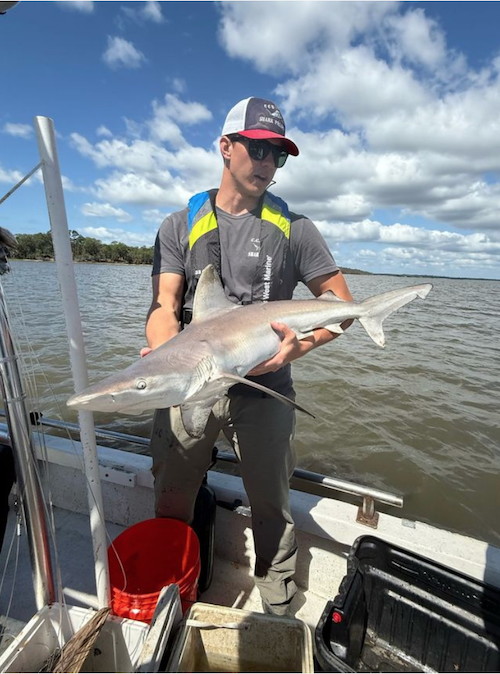 Sharks of the Carolinas, June 2
This presentation from Coastal Carolina University’s Shane Molander explores the diversity in shark species found along the coasts of North and South Carolina, highlighting their biology, behavior, and ecological importance. Attendees will learn how these animals use coastal habitats and interact with their environment. The presentation will also include recent research on these species, offering new insights into how sharks move, feed, and use coastal habitats. Together, this information will help build a better understanding of these often-feared creatures and the important role they play in maintaining healthy coastal ecosystems.
Molander is a marine biologist that focuses on shark and ray ecology, physiology, and behavior. As a researcher for Coastal Carolina University and Saving the Blue, his research spans coastal ecosystems from the Carolinas to The Bahamas, where he studies species such as Bull Sharks, Tiger Sharks, and Sandbar Sharks. His research highlights the important roles that predators play in maintaining healthy ocean ecosystems as well as how humans can further protect and manage these environments.
Marine Mammals and Habitats, June 9
This presentation comes from Mike Penninger of the U.S. Coast Guard Auxiliary in Oak Island.
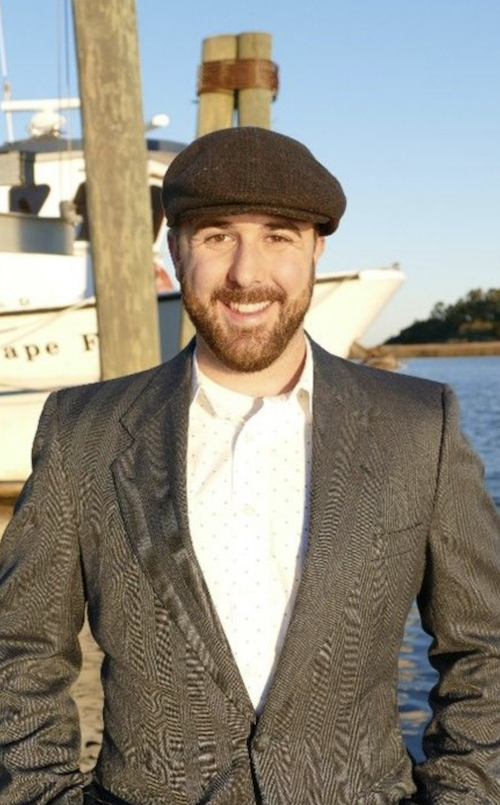 Stranded Marine Mammals, June 16
Part of our World Ocean Day Celebration, join Mike Tift, Director of the UNCW Marine Mammal Stranding Program, a collaborative team of scientists and students that responds to sick, injured, and deceased whales, dolphins, seals, and other marine mammals along the North Carolina coast. The program combines hands-on conservation work with internationally-
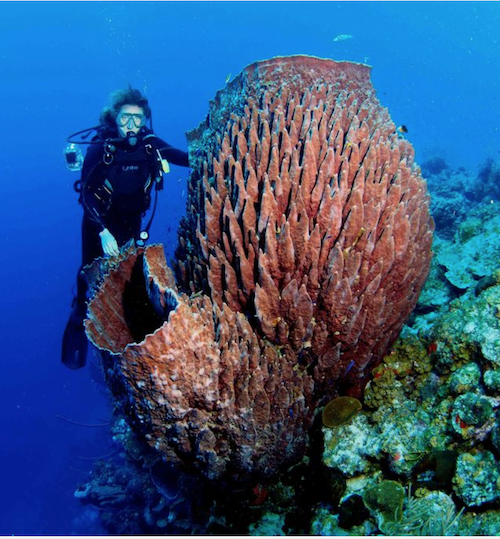 What’s Happening to Earth’s Coral Reefs, June 30
Tropical reefs across the globe have suffered unprecedented losses of coral cover, with those in the Indo-Pacific following the same trajectory as the Caribbean. UNCW’s Dr. Joseph Pawlik asks: What will be the fate of former coral reef ecosystems decades from now?
If the Caribbean is any guide, future reefs will be dominated by seaweeds, gorgonians, and sponges. Recent estimates of sponge pumping activities combined with discoveries related to carbon and nutrient cycling have revealed a feedback loop: seaweeds release dissolved organic matter (DOM) which is consumed by some sponges as a major portion of their diet, while sponges release inorganic nutrients that further enhance seaweed growth. Seaweeds and sponges will likely outcompete other benthos, including remaining corals. As limestone reefs degrade, sponges may be the only structural complexity for fishes and invertebrates. Reef fish and vertebrate communities will shift to reflect the available benthos, with increases in species that rely on seaweeds and sponges for food, including some angelfishes and hawksbill turtles.
Dr. Joseph Pawlik is the former Frank Hawkins Kenan Distinguished Professor of Marine Biology in the Department of Biology and Marine Biology at UNCW (2017-2025). He joined the Department of Biology and Marine Biology at UNCW in 1991, where he teaches undergraduate courses in Invertebrate Zoology and Biodiversity and has directed a research program involving undergrad, MS and PhD students. Dr. Pawlik worked at the US National Science Foundation (NSF) as a Program Officer in the Biological Oceanography Program for 2 years beginning 2003. He and his students and collaborators have authored over 170 publications, primarily on the ecology of sponges on Caribbean coral reefs. Dr. Pawlik travels around the world to SCUBA dive on tropical reefs where he documents the status of coral reef ecosystems with underwater video — you can see his videos on the YouTube channel “Pawlik Lab.”
The Museum’s Sandbar Lecture Series is designed to inspire curiosity about regional history, coastal ecosystems and diverse wildlife. Local subject matter experts facilitate lively and interactive presentations about various fascinating topics for all visitors.
All one-hour Sandbar lectures are free with Museum admission: $12 for adults, $10 for seniors and $8 for children ages 3-12. The Museum is open from 4:00 p.m. to 7 p.m. for lectures.

The Museum of Coastal Carolina is located at 21 East Second Street in Ocean Isle Beach, NC.
Admission is free for members. Non-member all-day admission effective March 31, 2022 is $10 for adults, $9 for seniors (62+), $8 for children (3-12), and free for age 2 and under.
For more information, call 910-579-1016, visit www.museumplanetarium.org, or like us on Facebook.com /MuseumCoastalCarolina
